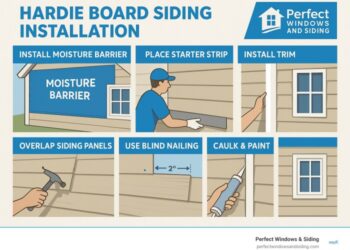
Delving into Residential Siding Contractors: What Homeowners Should Know Before Hiring, this introduction immerses readers in a unique and compelling narrative, with a focus on key considerations when hiring professionals for residential siding projects.
Exploring the importance of expertise, types of siding materials, licensing and insurance requirements, budgeting considerations, and project timelines, this article aims to equip homeowners with essential knowledge for their siding projects.
Importance of Residential Siding Contractors
When it comes to residential siding projects, hiring professional contractors is essential for a successful outcome. These experts bring a wealth of knowledge and experience to the table, ensuring that the job is done efficiently and effectively.
Expertise and Experience
Residential siding contractors have the expertise to assess your home's specific needs and recommend the best siding materials and techniques for the job. Their experience allows them to tackle any challenges that may arise during the project, ensuring that the end result is of the highest quality.
Benefits of Working with Professionals
- Quality Workmanship: Professional contractors have the skills and tools necessary to deliver a superior finished product.
- Time and Cost Efficiency: Hiring experts can save you time and money in the long run, as they work efficiently and prevent costly mistakes.
- Warranty and Guarantee: Reputable contractors often provide warranties on their work, giving you peace of mind knowing that the project is covered.
- Compliance with Regulations: Contractors are familiar with building codes and regulations, ensuring that your siding project meets all requirements.
Types of Siding Materials
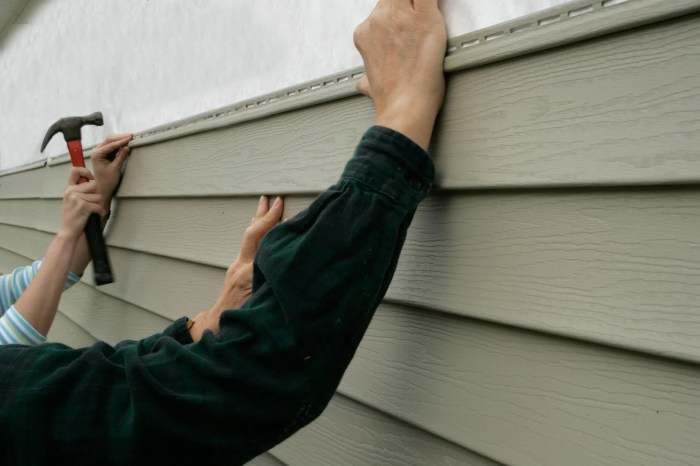
When it comes to residential siding, there are several materials commonly used in construction. Each material has its own unique characteristics and durability, making it important for homeowners to understand their options before making a decision.
Vinyl Siding
Vinyl siding is one of the most popular choices for homeowners due to its affordability and low maintenance. It is available in a wide range of colors and styles, making it a versatile option for many homes. While vinyl siding is durable and can withstand harsh weather conditions, it may not be as environmentally friendly as other options.
Wood Siding
Wood siding offers a classic and natural look that many homeowners find appealing. It can be painted or stained to match the aesthetic of the home and is known for its insulating properties. However, wood siding requires regular maintenance to prevent rot, mold, and insect damage, making it a higher maintenance option compared to vinyl.
Fiber Cement Siding
Fiber cement siding is a durable and low-maintenance option that has gained popularity in recent years. It is resistant to rot, fire, and insects, making it a long-lasting choice for homeowners. Fiber cement siding is available in a variety of textures and colors, providing a modern and sleek appearance for homes.
Metal Siding
Metal siding, such as aluminum or steel, is a strong and durable option for homeowners looking for a material that can withstand extreme weather conditions. Metal siding is resistant to fire, rot, and insects, making it a low-maintenance choice for many homeowners.
While metal siding can be more expensive upfront, it is known for its longevity and energy efficiency.
Licensing and Insurance
Before hiring a residential siding contractor, it is crucial for homeowners to verify their licensing and insurance coverage. This helps protect both parties involved in the project.
Importance of Verifying Licenses and Insurance
Verifying licenses ensures that the contractor has met the necessary requirements to operate legally in your area. It also provides a level of assurance that the contractor is qualified to perform the work professionally and up to code.
On the other hand, insurance coverage is essential to protect homeowners from liability in case of accidents or property damage during the project. Working with uninsured contractors can leave you vulnerable to financial risks and legal issues.
Tips for Verifying a Contractor’s Credentials
- Ask the contractor for their license number and verify it with the appropriate licensing board or agency.
- Request proof of insurance and ensure that it includes both liability insurance and workers' compensation coverage.
- Check for any complaints or disciplinary actions against the contractor with the Better Business Bureau or relevant consumer protection agencies.
- Ask for references from past clients and follow up to get feedback on the contractor's work quality and professionalism.
Budgeting and Cost Considerations
When planning a siding project for your home, it is essential to create a budget to ensure that you stay within your financial means. Understanding the cost factors involved and how to obtain accurate quotes can help you manage your expenses effectively.
Creating a Budget
Before starting your siding project, assess your finances and determine how much you can allocate for the renovation. Consider factors such as the size of your home, the type of siding material you choose, and any additional features or upgrades you may want.
Setting a clear budget will guide you in making informed decisions throughout the project.
Cost Factors
- The size of your home: Larger homes will require more materials and labor, leading to higher costs.
- Choice of siding material: Different materials come at varying price points, with options like vinyl, fiber cement, wood, and metal having different costs.
- Additional features: If you opt for special finishes, trims, or insulation, these can add to the overall cost of the project.
- Labor costs: The complexity of the installation, as well as the contractor's expertise, will influence labor costs.
Obtaining Accurate Quotes
When seeking quotes from residential siding contractors, provide detailed information about your project requirements and expectations. Ask for itemized quotes that break down the costs of materials, labor, permits, and any additional expenses. This will help you compare quotes from different contractors and avoid any hidden costs that may arise during the project.
Timeline and Project Schedule
When it comes to a residential siding project, understanding the timeline and project schedule is crucial for both homeowners and contractors. This helps in managing expectations and ensuring a smooth and timely completion of the project.
Typical Timeline for a Residential Siding Project
- On average, a residential siding project can take anywhere from 1 to 3 weeks to complete.
- The timeline can vary depending on factors such as the size of the house, the type of siding material chosen, weather conditions, and any unforeseen issues that may arise during the project.
- It is important for homeowners to discuss the estimated timeline with their siding contractor before the project begins to have a clear understanding of when the work is expected to be completed.
Factors Affecting Project Timelines and Deadlines
- Weather conditions can significantly impact the timeline of a siding project. Rain, extreme heat, or cold can delay the work and extend the project duration.
- Availability of materials and equipment can also affect the project schedule. Delays in deliveries or shortages of supplies can slow down the progress of the project.
- Unforeseen issues such as structural damage or the need for additional repairs can cause delays in the project timeline.
Ensuring Timely Completion of the Project
- Communicate openly with your siding contractor and address any concerns or questions promptly to avoid misunderstandings that can delay the project.
- Plan the project in advance and allow for some buffer time in case of unexpected delays, especially if the project is time-sensitive.
- Regularly check in with the contractor to ensure that the project is on track and address any issues that may arise promptly to keep the project moving forward.
- Be flexible and accommodating if adjustments need to be made to the project schedule to overcome unexpected challenges and ensure timely completion.
End of Discussion
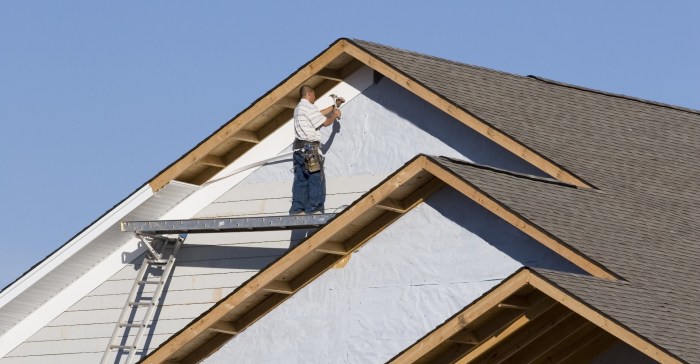
In conclusion, understanding the intricacies of hiring residential siding contractors is vital for a successful home improvement project. By being informed and proactive in the selection process, homeowners can ensure quality workmanship and a smooth experience from start to finish.
Question Bank
How can I verify a contractor's credentials before hiring them?
You can request to see their licenses, certifications, and insurance coverage. It's also helpful to check online reviews and ask for references to validate their reputation.
What are the benefits of using specialized professionals for siding projects instead of DIY?
Professional contractors bring expertise, experience, and access to quality materials that can result in a higher quality finish and overall better outcome compared to DIY attempts.
What are some common factors that can affect the timeline of a siding project?
Factors such as weather conditions, the size of the project, material availability, and any unexpected issues that arise during the installation process can impact the timeline of a siding project.