New Roofing and Siding Installation: Step-by-Step Homeowner Guide sets the stage for this comprehensive narrative, offering readers an in-depth look into the process with a blend of informative and engaging content.
The following paragraphs will delve into the essential aspects of planning, hiring contractors, preparing for installation, the installation process itself, quality checks, and inspections.
Introduction to Roofing and Siding Installation
When it comes to maintaining a home, the roof and siding play a crucial role in protecting the property and its inhabitants from the elements. A new roofing and siding installation can not only enhance the aesthetic appeal of a home but also increase its overall value.
Enhancing Curb Appeal and Value
New roofing and siding can completely transform the look of a house, giving it a fresh and updated appearance. Whether you're looking to sell your home or simply improve its visual appeal, investing in high-quality roofing and siding materials can make a significant difference.
Key Factors to Consider Before Starting a Project
- Materials: Choose durable and weather-resistant materials that suit the style of your home.
- Budget: Determine your budget and research cost-effective options that meet your needs.
- Contractors: Find reputable and experienced contractors who can deliver quality workmanship.
- Permits: Check local regulations and obtain necessary permits before starting the project.
- Timeline: Plan the project timeline to ensure minimal disruption to your daily routine.
Planning for the Project
Before diving into a new roofing and siding installation project, it is crucial to have a solid plan in place. Planning ahead will help you stay organized, on track, and within budget. Below is a step-by-step guide on how to plan effectively for your upcoming project.
Identify Materials and Tools Needed
Once you have decided to proceed with a roofing and siding installation, the first step is to identify the materials and tools required for the project. Common materials include shingles, underlayment, siding panels, nails, and caulking. Tools such as a hammer, ladder, tape measure, and safety gear are essential for a successful installation.
Make a list of all necessary materials and tools to ensure you have everything on hand before starting the project.
Discuss the Budgeting Process
Budgeting for a new roofing and siding installation is a crucial step in the planning process. Start by researching the cost of materials, labor, and any additional expenses that may arise during the project. Consider obtaining quotes from multiple contractors to compare prices and services.
Create a detailed budget that Artikels all expenses to ensure you have a clear understanding of the total cost of the project.
Setting a Realistic Budget
Setting a realistic budget for your roofing and siding installation involves balancing your desired outcome with your financial capabilities. Consider the size of your home, the quality of materials you wish to use, and any additional features you want to include in the project.
Be sure to account for unexpected costs that may arise during the installation process. By setting a realistic budget, you can avoid overspending and ensure a successful project completion.
Hiring Professional Contractors
When it comes to roofing and siding installation, hiring professional contractors can offer numerous benefits. These professionals have the expertise, experience, and tools needed to ensure a high-quality and durable result for your home improvement project.
Comparing Different Contractors
Before selecting a contractor for your roofing and siding installation project, it is essential to compare different options to find the right fit. Here are some factors to consider:
- Check online reviews and ratings to gauge the reputation of the contractor.
- Ask for references and examples of past projects to assess the quality of their work.
- Compare quotes from multiple contractors to ensure a fair price for the services offered.
Choosing the Right Contractor
Choosing the right contractor for your roofing and siding installation project is crucial for a successful outcome. Here are some tips to help you make the best decision:
- Ensure the contractor is licensed and certified to perform the work in your area.
- Verify that the contractor has adequate insurance coverage to protect you and your property in case of accidents.
- Ask about the warranties offered on materials and labor to ensure long-term protection for your investment.
Preparing for Installation
Before the roofing and siding installation process begins, it is crucial to adequately prepare your home and property. This includes obtaining necessary permits, protecting landscaping, and ensuring a smooth installation process.
Obtaining Necessary Permits and Approvals
In most areas, permits are required for roofing and siding projects to ensure that the work meets building codes and safety regulations. It is essential to check with your local building department to obtain the required permits before the installation begins.
- Research the permit requirements in your area and make sure to obtain them before the project starts.
- Keep the permits in a safe and easily accessible location for inspection purposes.
- Ensure that all work is completed according to the approved plans to avoid any issues during inspections.
Protecting Landscaping and Property
During the installation process, it is important to take steps to protect your landscaping, driveway, and other areas of your property from potential damage.
- Trim back trees and bushes near the work area to prevent any interference with the installation process.
- Cover plants, flowers, and shrubs with tarps or other protective materials to shield them from debris and equipment.
- Clear the driveway and walkways to provide easy access for contractors and prevent any obstructions during the project.
- Communicate with the installation crew about any specific areas that need extra protection or attention during the process.
Installation Process
Installing new roofing and siding involves a step-by-step process that requires coordination among team members to ensure a successful outcome. Each team member plays a crucial role in the installation process, from the initial preparation to the final touches. However, there are common challenges that may arise during the installation, which need to be addressed promptly to avoid delays or issues.
Roofing Installation
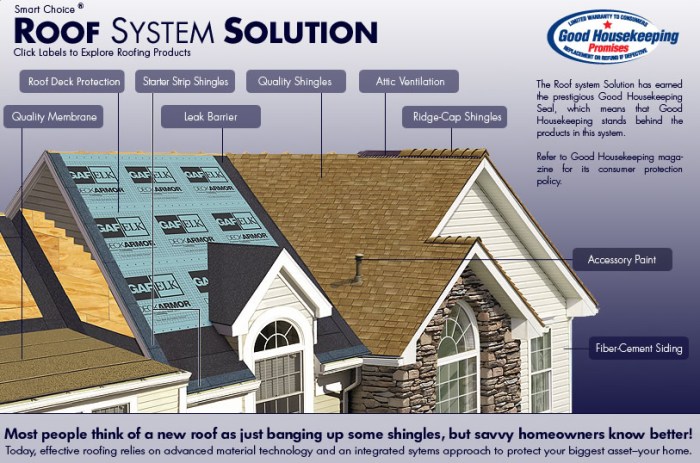
When it comes to installing a new roof, the process typically involves the following steps:
- Removing the existing roof materials
- Inspecting the roof deck for any damage
- Installing underlayment and drip edge
- Placing roofing materials, such as shingles or tiles
- Adding flashing and ventilation as needed
- Completing the finishing touches and clean-up
Siding Installation
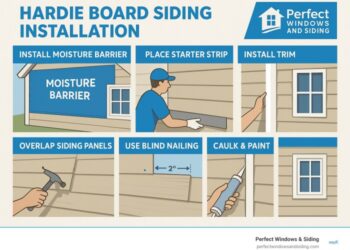
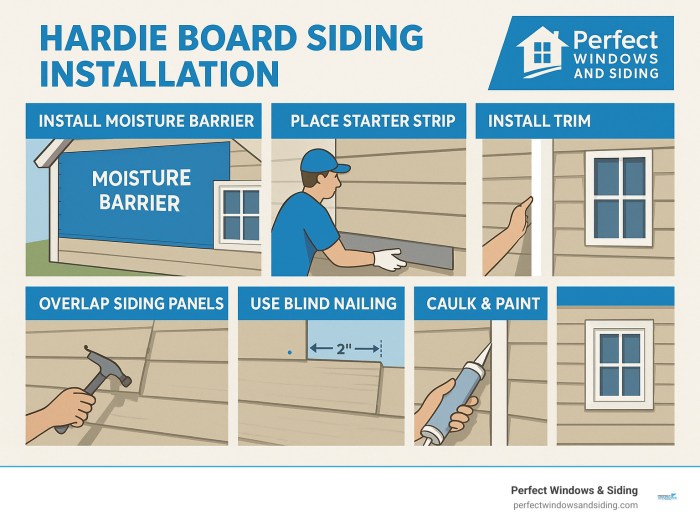
For siding installation, the process usually includes:
- Removing old siding if necessary
- Inspecting the exterior walls for any repairs
- Applying a moisture barrier or insulation
- Installing the siding panels or materials
- Adding trim and finishing details
Role of Team Members
Each team member has a specific role in the installation process:
Roofer: Responsible for installing the roofing materials according to specifications.
Siding Contractor: Handles the installation of the siding panels and finishing details.
Project Manager: Oversees the entire installation process, ensures coordination among team members, and addresses any issues that may arise.
Common Challenges and Solutions
During the installation process, some common challenges may occur, such as:
- Weather delays
- Material shortages
- Unforeseen structural issues
To address these challenges, it is essential to have a contingency plan in place, communicate effectively with the team, and work proactively to find solutions to keep the installation on track.
Quality Checks and Inspections
After the installation of your new roofing and siding, it is crucial to conduct thorough quality checks and inspections to ensure that everything meets industry standards and regulations. These checks will also help in maintaining the longevity of your newly installed materials.
Inspect for Proper Installation
- Check for any visible signs of damage or defects in the roofing and siding materials.
- Ensure that all components are properly installed and secured according to manufacturer guidelines.
- Look for any gaps, leaks, or areas that may need additional sealing or caulking.
Check for Compliance with Regulations
- Verify that the installation meets local building codes and regulations.
- Make sure that the materials used are approved for use in your area.
- Confirm that all necessary permits were obtained for the installation.
Maintaining Your Roofing and Siding
- Regularly inspect and clean your roofing and siding to prevent debris buildup and potential damage.
- Trim any overhanging branches that could cause damage to your roof or siding.
- Consider scheduling professional inspections and maintenance at least once a year to address any issues promptly.
Final Review
In conclusion, this guide serves as a valuable resource for homeowners looking to embark on a roofing and siding project, providing insights, tips, and expert advice to ensure a successful outcome. Dive into your project with confidence armed with the knowledge gained from this guide.
Frequently Asked Questions
What are the benefits of hiring professional contractors for roofing and siding installation?
Professional contractors bring expertise, experience, and efficiency to the project, ensuring quality workmanship and timely completion.
How can I protect landscaping during the installation process?
You can protect landscaping by covering plants with tarps, removing fragile items from the work area, and communicating with the installation team about specific areas to avoid.
What are some common challenges during the installation and how can they be addressed?
Common challenges include weather delays, material shortages, or unexpected issues with the structure. These can be addressed by maintaining open communication with the contractors and being flexible with timelines.